Tuesday, August 27, 2013

Tohono Chul Park - Tucson


     We love Tucson and Tohono Chul Park is one of our favorite destinations.  Hope you like our story!

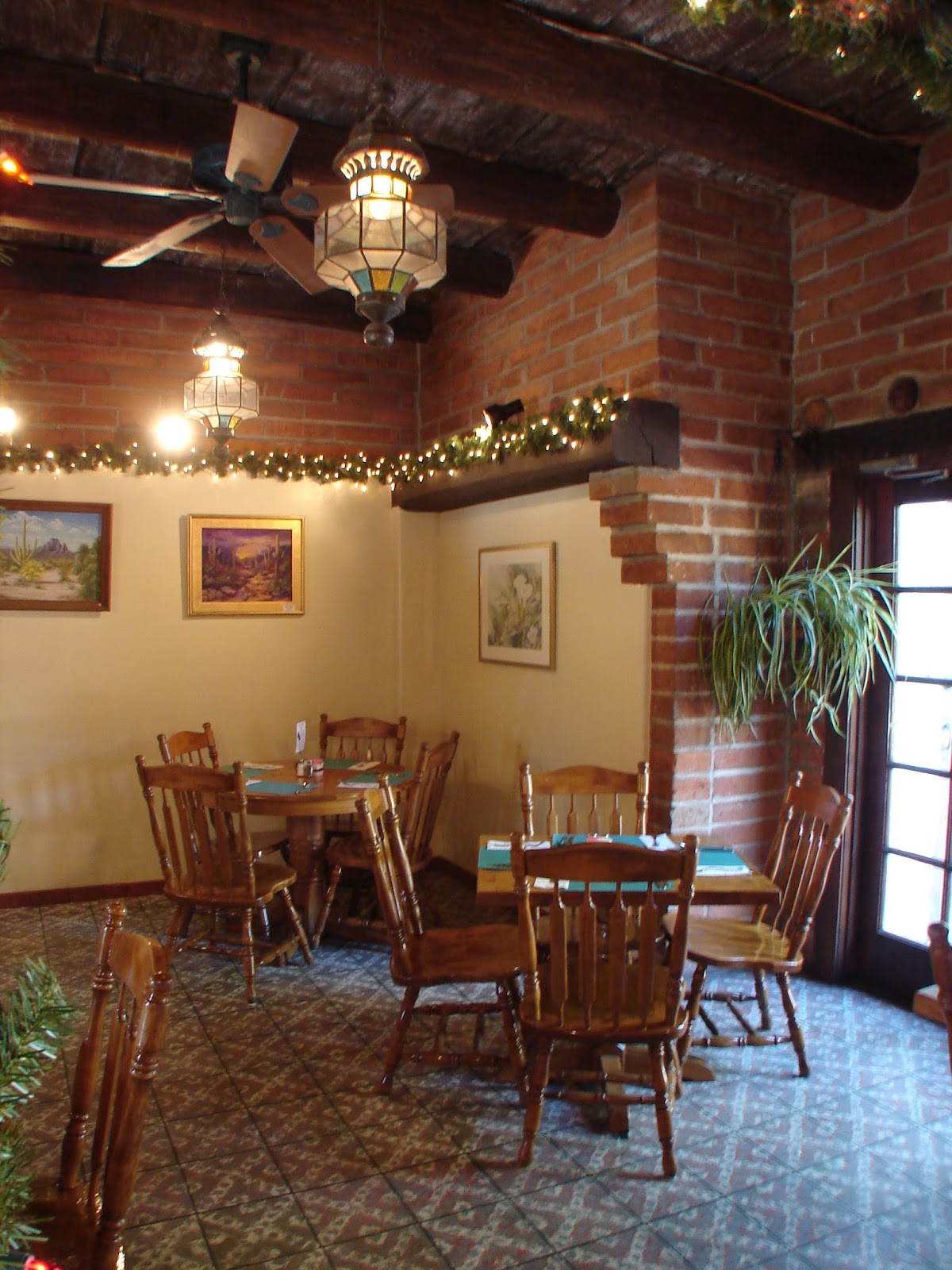
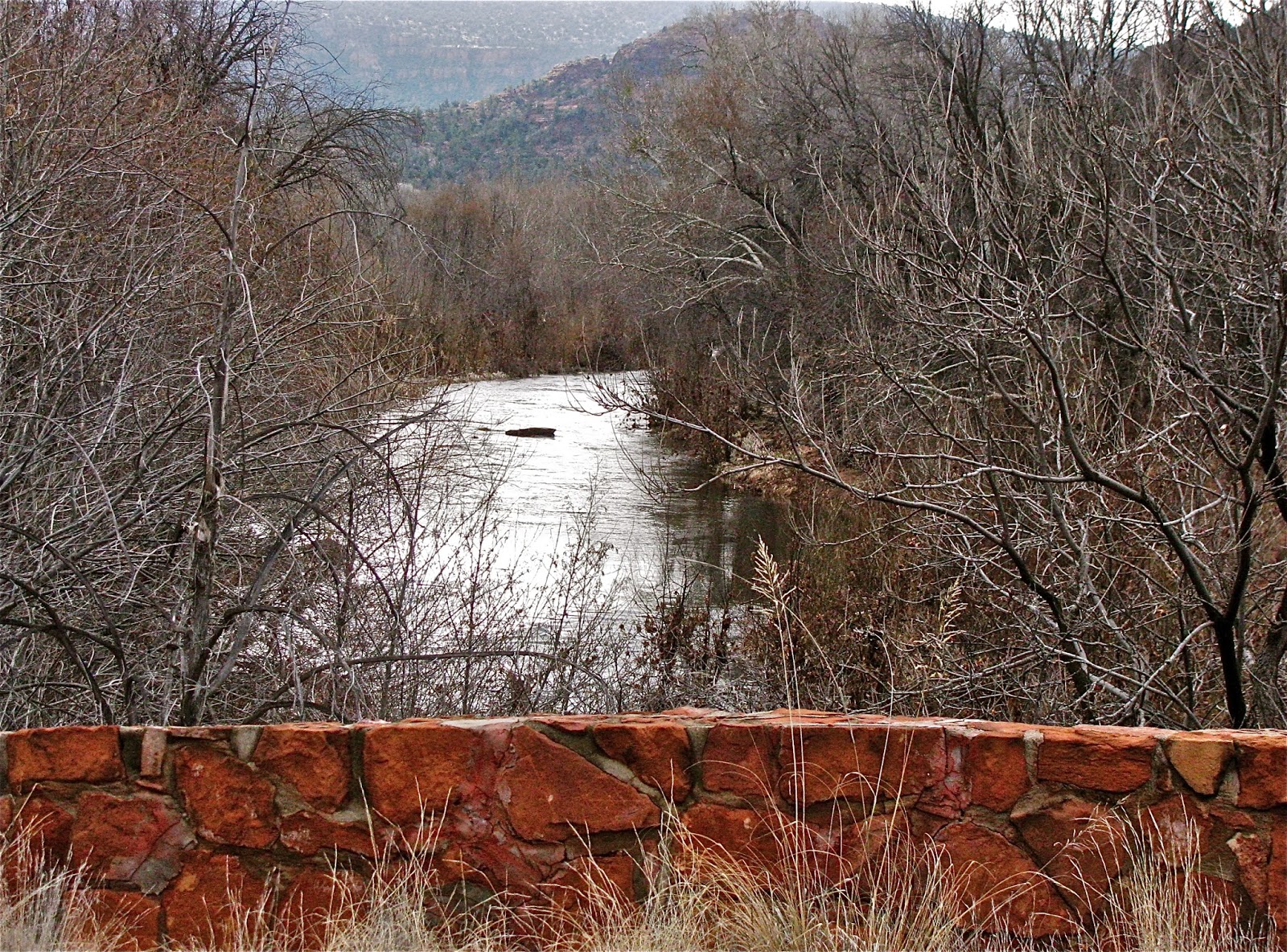
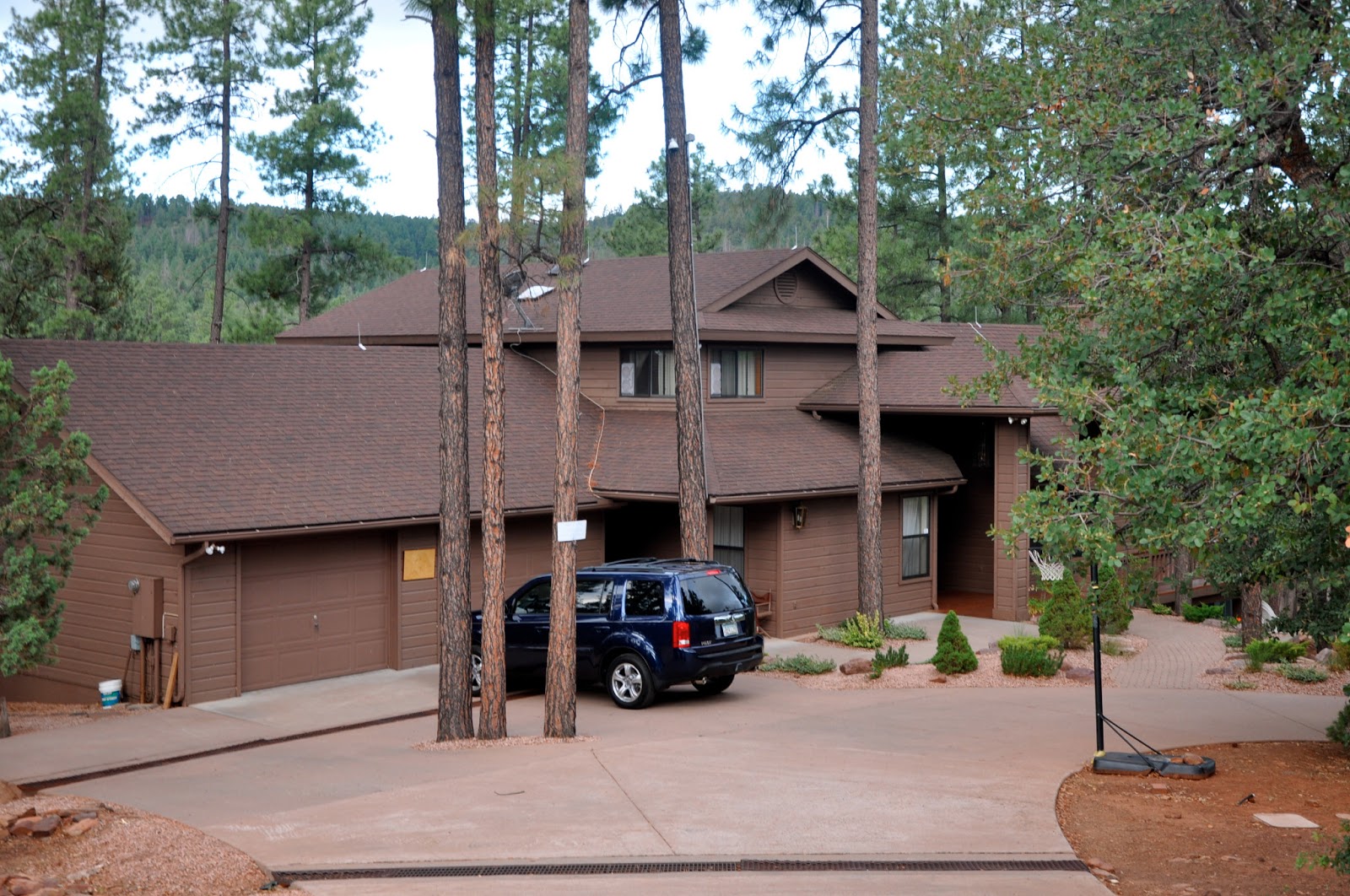
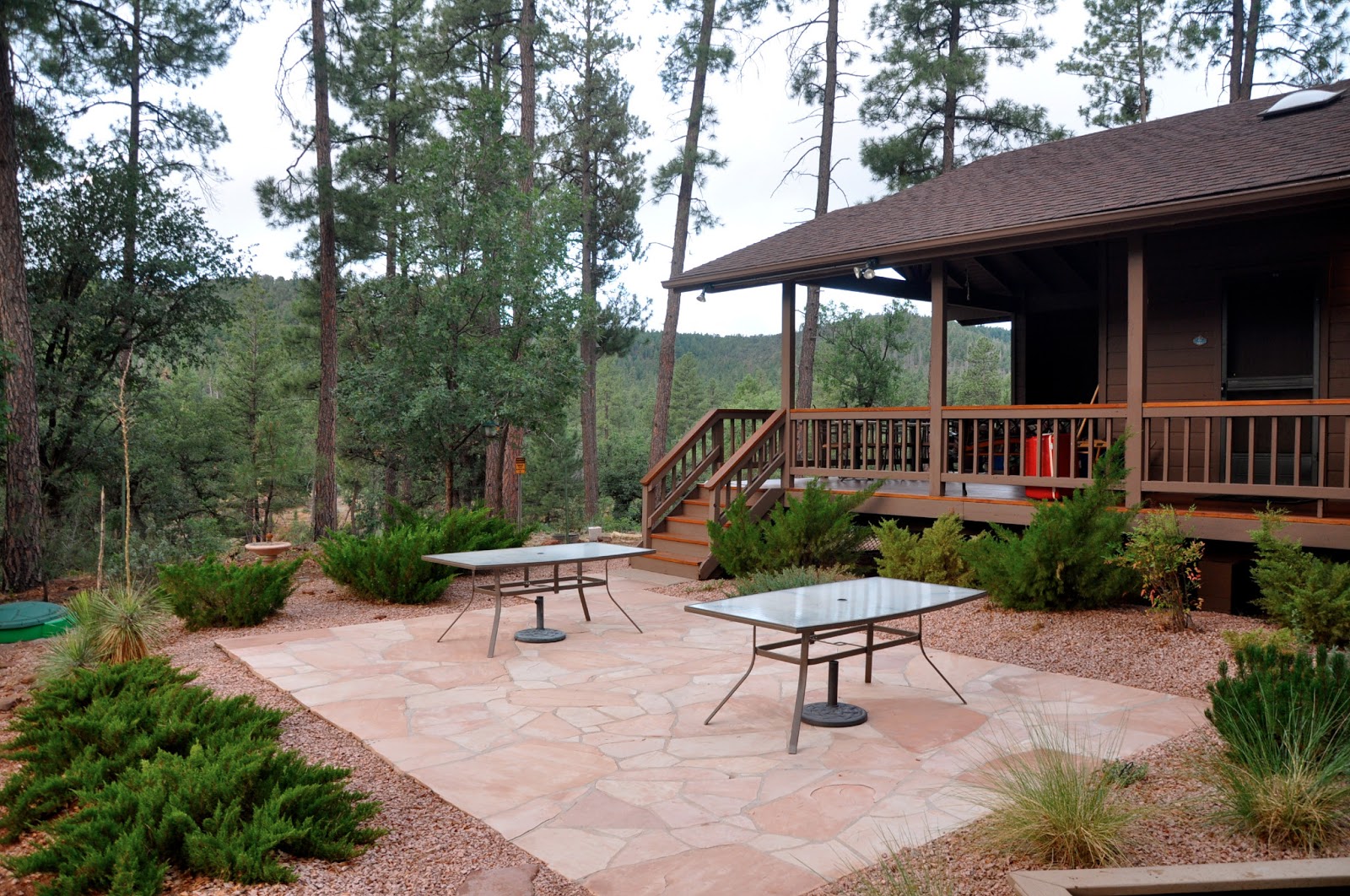
Note - picture 1 - 4 belong to Tohono Chul Park


    On occasion you can find that special soul-refreshing oasis in the middle of the concrete jungle of an Arizona city and when found, that place beckons you to return over and over again.  Such a place is Tucson’s Tohono Chul Park and spring is the ideal time to explore this urban paradise.
    It was in the early 1980s that Jean and Richard Wilson were being pressured to sell their 36 acres of desert land to local strip-mall developers.  However, the Wilson’s had other dreams for their undisturbed urban oasis and in 1985 donated their desert paradise so it could become a non-profit park for the citizens of Tucson.  They have seen their dream grow into an amazing 49 acres of desert trails, lush plants, flowers, three museum shops, greenhouses and a tearoom with lovely patio dining.
    The stated mission of Tohono Chul Park has always been “to enrich people’s lives by providing them the opportunity to find peace and inspiration in a place of beauty, to experience the wonders of the Sonoran Desert and to gain knowledge of the natural and cultural heritage of the region.”  This is one place that has truly met their mission statement!
    The name “Tohono Chul” means “desert corner” and comes from the language of the Tohono O’odham people, one of seventeen indigenous cultures that live or have lived in this region.  The Tohono O’odham, meaning the Desert People, are famous for many uses of Sonoran Desert plants and their ability to live in and among the harsh desert environment.
    The beautiful park still retains its hacienda-style charm and the original three homes on the site reflect three different Southwestern architectural styles.  The three homes are used today as an exhibit house, a charming tearoom and classrooms for the park’s educational classes.
    Visitors can stroll along nature trails with extensive botanical collections, wildlife migration trails, demonstration gardens and an Ethno botanical Garden with crops still grown by local, indigenous farmers.  There is a garden especially for children and an ever changing art and cultural displays that reinforces Tohono Chul’s mission.
    Unique to this botanical park is its Geology Wall exhibit.  The 55-foot long wall is made up of several hundred-rock specimens that represent the two-dozen geological formations found in the 9000-foot high Santa Catalina Mountains that can be seen to the northeast of Tohono Chul Park. 
As you walk along this one-of-a-kind rock wall you travel through two billion years of the earth’s geological history.  Such a journey through the Catalina Mountains to view the same geological features would require a north to south hike of over 30 miles. 
     A 40-page Visitor’s Guide can be obtained for $1.00 and acts as a personal docent as one journeys along the park’s beautiful trails.  The guide describes petroglyphs, plants, geological formations, reptiles, fish, birds, etc.  This excellent nature guide will teach Tohono Park visitors about the natural wonders of our Sonoran Desert living. 
    Autumn has returned to Arizona so travel to Tucson


and enjoy Tohono Chula Park. Bet you will return over and over again! 

Monday, August 19, 2013

Tumacacori National Monument

     Tomorrow, August 20, 2013, is the 238th birthday of the "ancient and honorable pueblo" of Tucson.  Established in 1775 by Spanish commander, Lt. Col. Hugo O'Conor, Tucson has grown into the 38th largest city of the U.S.A.  Yet, 84 years before the founding of Tucson, on January 26, 1691, Father Eusebio Francisco Kino established a mission on the "Rim of Christendom" that we know today at Tumacacori National Monument.  If you have never visited Tumacacori, it is a great fall road trip to southern Arizona.  Here is our story...


       “We will build it here” are the reported words of Father Eusebio Francisco Kino on January 26, 1691 as he stood on the east bank of the Santa Cruz River near a Tohono O’odham village named Tumacacori.  The following day some 20 miles up river, Kino established a second mission along the river and called this mission Guevavi.  Both these historic sites can be enjoyed today by visiting Tumacacori National Monument in southern Arizona. 
       When Kino arrived at Tumacacori on that January day, the native people had built three brush shelters for him to rest and to care for the native people.  Kino did not build an actual church here.  That would come many years after his death when the mission San Jose de Tumacacori was moved to the west side of the Santa Cruz River to be closer to the newly constructed Presidio of Tubac. 
       The Jesuit priest of Tumacacori completed a small adobe church in 1757 but when all Jesuits were expelled from the Spanish Empire in 1767, Tumacacori came under the control of the Franciscans. 
The church we see today at Tumacacori National Monument was built by Franciscan priests and local native people between 1800 and 1822.  The 310-acre national monument site is covered with historic ruins, hiking trails and educational opportunities.
San Gabriel de Guevavi was established by Father Kino one day after Tumacacori and was to be the local headquarters for the several Jesuit missions of the area. The first adobe church at Guevavi was completed in 1701.  The ruins that can be seen today are from a church completed in 1751.  These ruins of Guevavi are the oldest Jesuit ruins found in Arizona. 
Father Kino knew this land of Tumacacori and Guevavi as the Pimeria Alta, the upper lands of the Pima Indians. Today when standing at the ruins of Guevavi and looking to the southwest, one is within 10 miles of that desert canyon once covered with oak trees and known as Artizona during that famous 1736 silver strike. 
Tumacacori National Monument can be visited every day of the year except Thanksgiving and Christmas.  Special arrangements must by made at Tumacacori National Monument to visit the ruins of Guevavi.  In fact, with a little planning, Ranger Don Grate himself can be your personal guide to Guevavi.  And when you are at the ruins, ask Ranger Grate just how Arizona got its name and prepare yourself for a great lesson in Arizona’s history.
One final suggestion for this southern Arizona trip is to plan to stay at a bed & breakfast known as Hacienda Corona de Guevavi.  The Guevavi ruins are found on this ranch and the host and accommodations are wonderful.  So get out and enjoy Arizona’s beautiful spring weather with a trip to Tumacacori and Guevavi!  You’ll be glad you did! 
Tumacacori National Monument


Ruins of Guevavi


Tumacacori Ranger Garate'

Hacienda Corona de Guevavi


Sunday, August 4, 2013

Red Rock State Park

     Arizona's State Parks are always a great destination.  Please support our State Parks whenever possible as you travel Arizona.  It is always good to go to Sedona, and Red Rock State Park is just another good reason to travel up the I-17.  Here is our story…

     When Mother Nature decided to drop a big deposit of iron oxide into the ancient seas of north central Arizona some 320 million years ago, the result became the amazing rusty, red rock sandstone beauty of Sedona, Arizona. Fortunately in 1991 Red Rock State Park opened to preserve for all the citizens of the world one of Arizona’s most enjoyable hiking and photogenic parks.
     The land of Red Rock State Park was once a part of the Smoke Trail Ranch that covered this transitional lifezone land a few miles south of the downtown Sedona.  Ranch owners, Helen and Jack  Frye, loved their spectacular yet rugged 700 acre ranch. 
     In 1947 they began to build their dream home modeled after a Hopi pueblo and overlooking Oak Creek.  Their two story pueblo was built using the flat red rocks from the nearby canyons and the views from each room were beyond spectacular.  They named their pueblo home the House of Apache Fire.  
    Jack Frye was killed in an automobile accident in 1959.  Helen would continue to live at the ranch, sub-dividing the ranch several times, until her death in 1979.  After her passing the State of Arizona secured title in the 1980s to 286 acres of the ranch including the House of Apache Fires.  This acreage would soon become Red Rock State Park. 
    Picturesque Oak Creek meanders through the land of Red Rock State Park creating an ideal riparian habitat for plants and animals alike.  Because this part of Arizona does have four distinct seasons, the beauty of Oak Creek changes and becomes a photographer’s paradise all year long.
     With the great ecological diversity found here, Red Rock State Park is a center for environmental education and offers visitors a variety of classes and programs appropriate for adults and children alike.  This is truly a state park for anyone who loves the natural environment of Arizona’s Red Rock Country.
    Upon arriving at Red Rock State Park the visitor is immediately greeted by one of the most unique visitor centers of the state park system.  The pueblo looking structure is also built of the red rocks from the land.  The design gives the visitor the sense of walking into an underground chamber that leads to an instructional museum, a classroom and a modern theatre.
    The roof of the center has been designed to act as a viewing platform from which all the amazing beauty of this special part of Red Rock County can be seen and photographed in a 360° landscape. 
    For those who like to hike, Red Rock State Park is the perfect family hiking center. The 5-miles of interconnecting loop trails are family-oriented for fun and safety. 
    There are three major loop trails creatively named the Eagle’s Nest Loop, the Apache Fire Loop and the Coyote Ridge Trail.  Eagle’s Nest leads the hiker to the highest point of the park, some 300 feet above the visitor center.
    The Kisva Trail is connected to each of the three loop trails and entices the hiker to enter the riparian corridor of Oak Creek.  The shorter Yavapai Ridge Trail, Javelina Trail and the Rattlesnake Ridge Trail complete the hiking pathways through this most beautiful of Arizona environments.  Bikes and horses are allowed on some designated routes and this information can be gained from the always friendly rangers and docents at the visitor center.
    School groups are always welcomed at this state park that specializes in environmental education.  But this place is very popular with people of all ages for its beauty and educational seminars and programs including moonlight hikes from April – October.


Wednesday, July 24, 2013

Eagles Retreat - Strawberry, Arizona

    Sometimes all the “stars of travel” just align perfectly and that surely was the case for us as we spent an 8day/7nights week in mid-July at the Eagles Retreat, http://www.eaglesretreat.com/, cabin in Strawberry, Arizona.  Through Linda’s diligent Internet searching, we landed, no pun intended, in the beautiful cabin home of Jane and Ted Bell.  Being only a short drive from the Valley, this is one quick trip into the Ponderosa pine forests of the magnificent Mogollon Rim Country!
    There were many great aspects of our week in the pines - one of which is that it rained everyday/night we were there.  Oh, the smells and the sounds of the wet pine forest along with the cool air that accompanied each rain was so soul refreshing for a couple of desert rats who had not been in a decent rain in months and months. And is there anything more beautiful than a full rainbow coloring the trees of a dense forest?
    Strawberry, Arizona is a small community just 3-miles north of Pine, Arizona another small mountain community.  Both were founded by Mormon pioneers in the late 1800s.  Only 15 miles south is lovely Payson, with all the conveniences and stores (Starbucks, Wal-Mart, Starbucks, etc.) of our modern world.  Be sure to stop at the Payson Visitor Center on Main Street to pick up the latest information about everything you can see and do in the Rim Country.
    We have discovered over the years that the Strawberry/Pine communities are filled with welcoming and friendly folks who are more than willing to share those special places to be discovered and enjoyed in their communities. Some have called this area of our state the “Arizona Andes.”     
    This land is hiking country and we wish we were a few years younger to take advantage of all the incredible hiking trails that are found all throughout this forested paradise.  If you hike, you will love spending time here. 
    The unique and historic Fossil Creek area was currently closed to cars during our trip but not to hikers.  The Pine Trail is a part of the greater Arizona Trail.  Deep high country swimming holes are found both on Fossil Creek and the East Verde River and are put to good use all summer long.  Being in the middle of nature is the central theme of a Strawberry/Pine getaway!
    The Strawberry Lodge was closed for renovations but thankfully new owners plan to reopen this historic inn by late September (just in time for the colors of fall) with all the wonderful varieties of pies that have been served from its kitchen for generations.  Strawberry pie, of course, has always been the house specialty.
    But good places to eat are plentiful in these high mountain communities.  Mama Joe’s Italian Grill in Strawberry serves up a mighty good meal.  So too does the Randall House in Pine.  The Pine Deli is outstanding and the Ponderosa Market is well stocked and employs a German baker who makes fantastic pies.  The historic Journigan House along Main Street in Payson is also a great place to grab a bit to eat.  Their outside patio is mighty dog friendly! 
    We met for the first time Jane and Joe Hock and discovered their Hock Crockery shop located on the northeast edge of Strawberry.  A big sign next to the Strawberry grocery store directs visitors to their gallery.  The Hocks are warm, friendly Arizonans who do know how to throw some unique and beautiful pots!  We left a few bucks with these friendly folks for some of their unusual pottery.
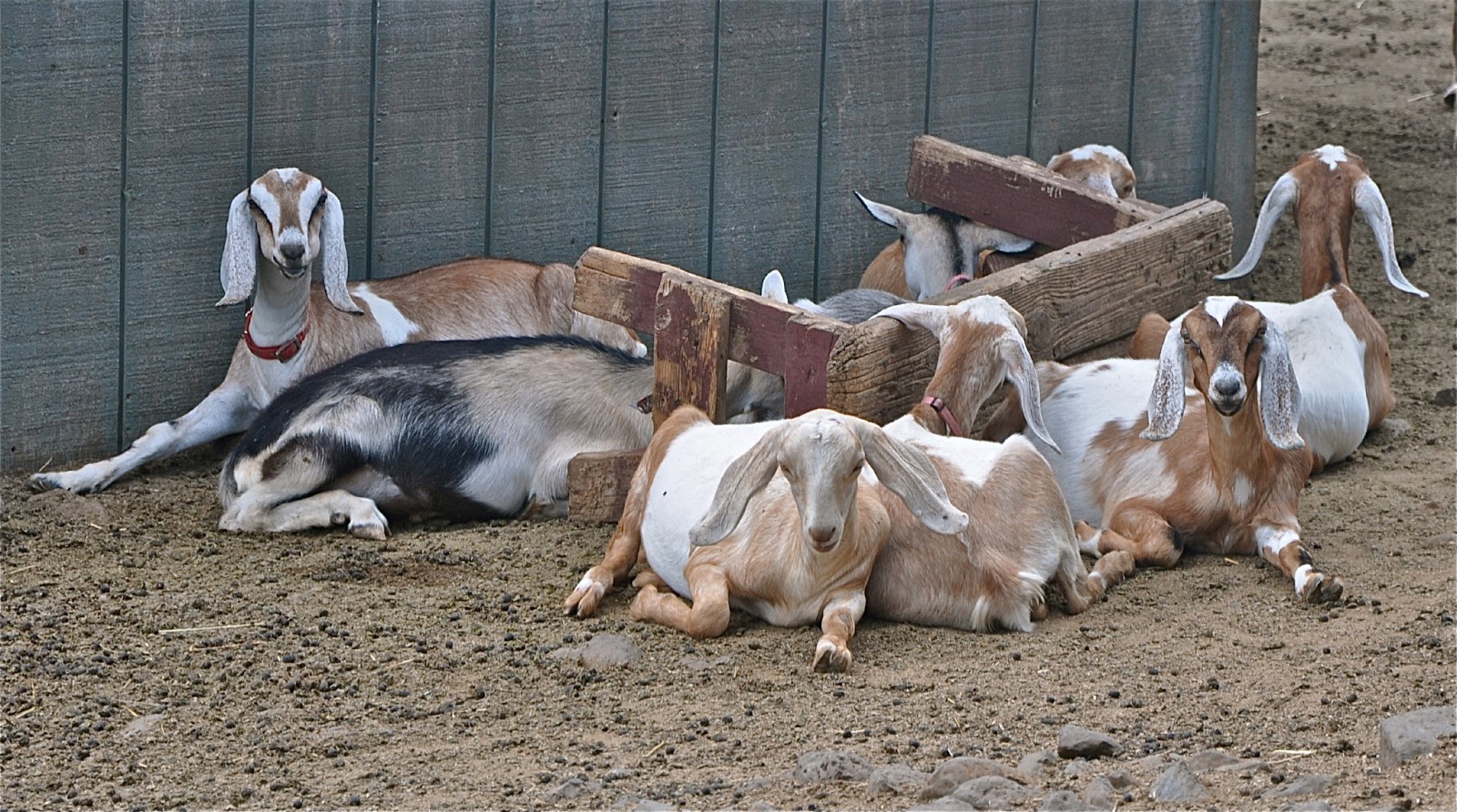
    We revisited the folks at the Ranch at Fossil Creek who have long been known for the llama hikes into this gorgeous backcountry.  They now have opened the Fossil Creak Creamery which features a variety of goat cheeses and heavenly goat fudge.  Double Yummy!
    The Fossil Creek Creamery is next to a wonderful bed and breakfast called Up the Creek.  We have stayed here in years past and it is absolutely lovely.  Next-door is the Gentle Hands Equine Center where you can hire a high country wrangler to guide you on your own horseback adventure.    
    Of course a big part of our week was catching a good case of “back-porch-sittin’-itis”, one of the more wonderful conditions that you can acquire in this 6,000 foot elevation community.  Since the Eagles Retreat’s back porch is within 10 feet of the Tonto National Forest, the unobstructed view of the Strawberry Mountains, one of Arizona’s grand forestlands, is truly incredible!
    Acorn woodpeckers, Pinyon jays, Stellar jays, finches, doves, hawks, owls, insects of every order, squirrels and the most spectacular elk we have ever seen are all common visitors to the back porch arena.  Just sit on that lovely covered, back porch and photograph the daily parade of Arizona high country wildlife that passes literally right in front of you.
    We can only give an A+ grade to the Eagles Retreat and the communities of Strawberry and Pine.  We thank Jane & Ted Bell for allowing us to rent their amazing forest home and spend a special summer week in the pines.  If you have never visited this part of Arizona, it is probably time that you do so.  And if you have been before, maybe it is time to go back and spend some more time in the warm summer days and cool summer nights of this part of Arizona’s amazing Mogollon Rim Country.


Eagles Retreat, Strawberry, Arizona


A full rainbow welcomed us on our first night.


A Pinyon jay checks us out

Bathtime for this jay

A Pinyon jay takes flight

One of the neighborhood squirrels

Ms Gypsy in her "Squirrels Fear Me" T-shirt


Fossil Creek Creamery

Sunflowers at the Creamery


Major contributors to the wonderful  goat cheese and fudge of the creamery

Everyone has an opinion as to the wonderful food found here.


Pine Trailhead


Arizona Trail is also found here.

Yarnell 19 memorial in Strawberry

Yarnell 19 memorial at the Rim Country Museum in  Payson

This way to Hock Crockery


Large and unique selection of pottery

Lovely scene at sunset

Rain, glorious rain!

Acorn woodpecker enjoys the birdfeeder

A Black-headed Grosbeak shares the feeder with a common finch.

A male Redheaded Sparrow and an Acorn woodpecker share the bird feeder

A katydid

Beautiful Emerald Moth

One of many scarab beetles

Early morning visitors


Breakfast guest?

Ms Gypsy enjoying the warm sunshine

Home and exhausted from a week in the pines!